Methods to manipulate properties and association relationships between models. More...
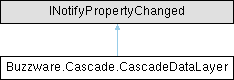
Public Member Functions | |
| async Task | SetModelCollectionProperty (object target, CascadePropertyInfo propertyInfo, object value) |
| Sets a collection property on a model. It ensures the property is enumerable and makes necessary type conversions. | |
| async Task | HasManyReplace (SuperModel model, string property, IEnumerable< object > models) |
| Replaces the value of the given HasMany property with the given IEnumerable of models and updates the caches appropriately. This is needed eg. when you add models to a HasMany association. | |
| async Task | HasManyAddItem (SuperModel model, string property, SuperModel hasManyItem) |
| Adds an item to the HasMany association of a model, updating both the property and the caches. | |
| async Task | HasManyReplaceItem (SuperModel model, string property, SuperModel hasManyItem) |
| Replaces an item in the association property and cached collection, matching by id. | |
| async Task | HasManyRemoveItem (SuperModel model, string property, SuperModel hasManyItem) |
| Removes an item from the association property and cached collection, matching by id. | |
| async Task | HasManyEnsureItem (SuperModel model, string property, SuperModel hasManyItem) |
| Ensures that an item occurs in the association property and cached collection, matching by id (adds or replaces as necessary to avoid duplicates). | |
| async Task | UpdateHasOne (SuperModel model, string property, object value) |
| Replaces the value of the given HasOne property with the given model. | |
| Task | SetAssociation (object target, string propertyName, object value) |
| Use this when you only want to set an association property to a value you already have. Consider using UpdateHasMany/UpdateHasOne/UpdateBelongsTo instead. This method does not update the caches. | |
| async Task | SetAssociation (IEnumerable targets, string propertyName, object value) |
| Use this when you only want to set an association property to a value you already have. Consider using UpdateHasMany/UpdateHasOne/UpdateBelongsTo instead. This method does not update the caches. | |
| async Task< byte[]?> | BlobGet (string path, int? freshnessSeconds=null, int? fallbackFreshnessSeconds=null, bool? hold=null, long? sequenceBeganMs=null) |
| Retrieve a binary blob identified by the given path with optional caching and freshness parameters. | |
| async Task< Stream?> | BlobGetStream (string path, int? freshnessSeconds=null, int? fallbackFreshnessSeconds=null, bool? hold=null, long? sequenceBeganMs=null) |
| Retrieve a binary blob identified by the given path as a Stream, with optional caching and freshness parameters. | |
| Task< OpResponse > | BlobGetResponse (string path, int? freshnessSeconds=null, int? fallbackFreshnessSeconds=null, bool? hold=null, long? sequenceBeganMs=null) |
| Retrieves a response containing a binary blob from the data layer based on the specified path. | |
| async Task< string?> | BlobGetFilePath (string path, int? freshnessSeconds=null, int? fallbackFreshnessSeconds=null, bool? hold=null, long? sequenceBeganMs=null) |
| Retrieve a binary blob identified by the given path as an absolute file path, with optional caching and freshness parameters. | |
| async Task | BlobDownload (string path, int? freshnessSeconds=null, int? fallbackFreshnessSeconds=null, bool? hold=null, long? sequenceBeganMs=null) |
| Download a binary blob identified by the given path to a local cache. Does not return the data. Use BlobGet/BlobGetStream to get the data. | |
| async Task< bool > | BlobExists (string path, int? freshnessSeconds=null, int? fallbackFreshnessSeconds=null, bool? hold=null, long? sequenceBeganMs=null) |
| Test whether blob identified by the given path as an absolute file path exists, with optional caching and freshness parameters. For now this uses BlobGetFilePath which means it will download the file if it exists, but in future it should be optimised to only detect existence on the origin. | |
| Task< OpResponse > | BlobGetFilePathResponse (string path, int? freshnessSeconds=null, int? fallbackFreshnessSeconds=null, bool? hold=null, long? sequenceBeganMs=null) |
| Retrieves a response containing a binary blob from the data layer based on the specified path. | |
| async Task< long?> | BlobGetArrivedAt (string path) |
| Get the arrivedAt timestamp of a cached blob, from the nearest cache layer holding it. Never contacts the origin. Where the cache layer can give an absolute file path, this is just a file stat - no streams are opened and no RequestOp is processed. | |
| async Task< bool > | BlobHasExpired (string path, int? fallbackSeconds=null) |
| async Task | BlobPut (string path, byte[] data) |
| Store a binary blob at the specified path. | |
| Task< OpResponse > | BlobPutResponse (string path, byte[] data) |
| Store a binary blob at the specified path, returning the OpResponse. | |
| async Task | BlobPut (string path, Stream stream) |
| Store a binary blob stream at the specified path. One day this could be made more efficient for large blobs. | |
| Task< OpResponse > | BlobPutResponse (string path, Stream stream) |
| Store a binary blob at the specified path, returning the OpResponse. | |
| async Task | BlobDestroy (string path) |
| Removes a binary blob from the specified path, effectively deleting it. | |
| Task< OpResponse > | BlobDestroyResponse (string path) |
| Generate an operation response for destroying a binary blob at the specified path. | |
| async Task< object?> | SetFromBlobProperty (SuperModel model, string property, byte[] blob) |
| Sets the property of the given model from a binary blob using the specified property's conversion attribute. | |
| async Task | BlobClear (string blobPath) |
| Removes a binary blob of the specified path from the cache (if exists) without affecting the origin. | |
| async Task | ClearBlobs (bool exceptHeld=true, DateTime? olderThan=null) |
| async Task | ClearCollection< Model > (string collectionName) |
| Clear a collection from all cache layers for the specified collection type. | |
| async Task< IEnumerable< object > > | SetCollection< Model > (string collectionName, IEnumerable< object > ids) |
| Replace a collection with a specified set of ids in all cache layers. | |
| async Task< IEnumerable< object > > | CollectionPrepend< Model > (string collectionName, object id) |
| Add a single id to the beginning of a collection in all cache layers. | |
| async Task< IEnumerable< object > > | CollectionAppend< Model > (string collectionName, object id) |
| Add a single id to the end of a collection in all cache layers. | |
| Task< IReadOnlyList< object > > | CollectionReplaceItem< Model > (string collectionName, object item) |
| Replaces an item in the collection only if it already exists. | |
| Task< IReadOnlyList< object > > | CollectionRemoveItem< Model > (string collectionName, object item) |
| Removes an item from the collection if it exists. | |
| Task< IReadOnlyList< object > > | CollectionEnsureItem< Model > (string collectionName, object item) |
| Ensures that an item exists in the collection - by replacing or adding. | |
| async Task | SetCacheWhereCollection (Type modelType, string propertyName, string propertyValue, IEnumerable< object > collection) |
| Replaces the cached values for HasMany/HasOne type associations (not typically used) Updates all cache layers with the provided association collection. | |
| async Task | SetCacheRecord (object id, object model, long? timeMs=null) |
| Replace a single cached model with a new version in all caches. | |
| async Task< long?> | GetArrivedAt< Model > (object id) |
| Get the arrivedAt timestamp of a cached record, from the nearest cache layer holding it. | |
| async Task< bool > | HasExpired< Model > (object id, int? fallbackSeconds=null) |
| async Task< long?> | GetCollectionArrivedAt< Model > (string name) |
| Get the arrivedAt timestamp of a cached collection, from the nearest cache layer holding it. | |
| async Task< bool > | HasCollectionExpired< Model > (string name, int? fallbackSeconds=null) |
| async Task | ClearLayer (int index, bool exceptHeld=true) |
| Clears all content from a specified cache layer, with the option to preserve held entries. | |
| async Task | ClearLayers (bool exceptHeld=true, DateTime? olderThan=null) |
| Clears all content from all cache layers, with options to preserve held entries and clear content based on age. | |
| async Task | ClearCache (IEnumerable< Type > modelTypes, bool clearBlobs=false, bool exceptHeld=true, DateTime? olderThan=null) |
| CascadeDataLayer (ICascadeOrigin origin, IEnumerable< ICascadeCache > cacheLayers, CascadeConfig config, ICascadePlatform cascadePlatform, ErrorControl errorControl, CascadeJsonSerialization serialization) | |
| CascadeDataLayer main constructor. | |
| void | RaisePropertyChanged ([CallerMemberName] string propertyName=null) |
| Raises this object's PropertyChanged event. | |
| async Task | EnsureAuthenticated (Type? type=null) |
| Ensures that the user is authenticated. If not, it will attempt to authenticate the user based on the provided type. | |
| IEnumerable< Type > | ListModelTypes () |
| Obtains a list of model types that the Origin can handle. | |
| string | MetaResolvePath (string path) |
| Resolves and returns the absolute path for the given relative meta path. Ensures that the path does not contain any directory traversal sequences ('..'). | |
| void | MetaSet (string path, string? value) |
| Sets a value in the metadata store for the specified key path. If the value is null, the key is removed from the store. | |
| string? | MetaGet (string path) |
| Retrieves the value associated with the specified key path in the metadata store. Returns null if the key does not exist. | |
| T? | MetaJsonGet< T > (string key) |
| void | MetaJsonSet< T > (string key, T? value) |
| bool | MetaExists (string path) |
| Checks whether a key exists in the metadata store for the given path. | |
| IEnumerable< string > | MetaList (string path, bool recursive=false, bool sort=true) |
| Lists all keys under the specified path in the metadata store. Options to list recursively and sort the results. | |
| void | MetaClearPath (string path, DateTime? olderThan=null, bool recursive=false) |
| Clears files from the specified metadata path based on optional filter criteria. Can remove files older than a specified date and can operate recursively. | |
| void | MetaClearAll () |
| Clears all metadata files and folders in the configured root meta path. | |
| void | Hold< Model > (object id) |
| Holds a model of the specified type and identifier by creating a corresponding metadata entry. | |
| void | Hold (object model) |
| Holds an object model by its type and identifier value. | |
| void | Hold (Type modelType, object id) |
| Holds a model of a specified type and identifier by creating a metadata entry. | |
| bool | IsHeld< Model > (object id) |
| Checks if a model of the specified type and identifier is currently held. | |
| void | Unhold< Model > (object id) |
| Unholds a model of the specified type and identifier by removing the metadata entry. | |
| void | HoldBlob (string path) |
| Holds a blob path by creating a corresponding metadata entry. | |
| void | UnholdBlob (string path) |
| Unholds a blob path by removing the corresponding metadata entry. | |
| bool | IsHeldBlob (string path) |
| Checks if a blob path is currently held in the metadata. | |
| IEnumerable< object > | ListHeldIds< Model > () |
| Lists all identifiers of a specified model type that are currently held. | |
| IEnumerable< object > | ListHeldIds (Type type) |
| Lists all identifiers of the specified type currently held in metadata. Differentiates between blob and non-blob types. | |
| IEnumerable< object > | ListHeldBlobPaths () |
| Lists all blob paths currently held in metadata. | |
| void | HoldCollection< Model > (string name) |
| Holds a named collection for a model type by creating a corresponding metadata entry. | |
| void | HoldCollection (Type modelType, string name) |
| Holds a named collection for a specified model type by creating a metadata entry. | |
| void | UnholdCollection< Model > (string name) |
| Unholds a named collection for a model type by removing the corresponding metadata entry. | |
| bool | IsCollectionHeld< Model > (string name) |
| Checks if a named collection for a model type is currently held. | |
| IEnumerable< object > | ListHeldCollections (Type modelType) |
| Lists all named collections of a specified model type that are currently held. | |
| void | UnholdAll (Type modelType, DateTime? olderThan=null) |
| Unholds all instances and collections of the specified model type. Optionally filter out entries older than a specified date. | |
| void | UnholdAllBlobs (DateTime? olderThan=null) |
| void | UnholdAll (DateTime? olderThan) |
| Unholds all models and collections, clearing all associated metadata. Can target only metadata entries older than a specified date. | |
| void | UnholdAll () |
| Unholds all associations in both model and collection types, clearing all metadata. | |
| JsonNode | SerializeRequestOp (RequestOp op, out IReadOnlyDictionary< string, byte[]> externalContent) |
| Serializes a RequestOp object into a JsonNode while also extracting and returning any external content. | |
| RequestOp | DeserializeRequestOp (string? s, out IReadOnlyDictionary< string, string > externals) |
| Deserializes a JSON string into a RequestOp object while extracting any external links. | |
| async Task< string > | AddPendingChange (RequestOp op) |
| Adds a new pending RequestOp change to the system and saves it in a designated path. | |
| string | ExternalBinaryPathFromPendingChangePath (string filePath, string externalPath) |
| Converts a pending change file path to its corresponding binary file path. | |
| IEnumerable< string > | GetChangesPendingList () |
| Retrieves a list of pending change filenames from the configured directory. | |
| async Task< List< Tuple< string, RequestOp, IReadOnlyDictionary< string, string >?> > > | GetChangesPending () |
| Retrieves and reconstructs a list of pending RequestOps with associated external file links. | |
| bool | HasChangesPending () |
| Checks if there are any pending changes stored in the system. | |
| async Task | ClearChangesPending () |
| Clears all pending changes by deleting their stored files. | |
| async Task | UploadChangesPending (Action< string >? progressMessage=null, Action< int >? progressCount=null) |
| Uploads all pending changes, processes them, and removes the changes once uploaded. | |
| async Task | ProcessAndRemovePendingChange (Tuple< string, RequestOp, IReadOnlyDictionary< string, string >?> change) |
| Process a single change from GetChangesPending() and remove it from the ChangesPending store. | |
| async Task | RemoveChangePending (string main, IEnumerable< string >? externals) |
| Removes a main pending change file along with its associated external files. | |
| async Task | Populate (IEnumerable< SuperModel > models, IEnumerable< string > associations, int? freshnessSeconds=null, int? fallbackFreshnessSeconds=null, bool skipIfSet=false, bool? hold=null, long? sequenceBeganMs=null) |
| Populates one or more association properties on each of the given models using the association attribute definitions. | |
| async Task | Populate (SuperModel model, string association, int? freshnessSeconds=null, int? fallbackFreshnessSeconds=null, bool skipIfSet=false, bool? hold=null, long? sequenceBeganMs=null) |
| Populates a specified association property on a given model based on its association attribute definition (BelongsTo/HasMany/HasOne). | |
| async Task | Populate (SuperModel model, IEnumerable< string > associations, int? freshnessSeconds=null, int? fallbackFreshnessSeconds=null, bool skipIfSet=false, bool? hold=null, long? sequenceBeganMs=null) |
| Populates specified association properties on a given model with data based on association attribute definitions. | |
| async Task | Populate (IEnumerable< SuperModel > models, string association, int? freshnessSeconds=null, int? fallbackFreshnessSeconds=null, bool skipIfSet=false, bool? hold=null, long? sequenceBeganMs=null) |
| Populates a specific association property on each of the provided models using its association attribute definition. | |
| async Task< M?> | Get< M > (int id, IEnumerable< string >? populate=null, int? freshnessSeconds=null, int? populateFreshnessSeconds=null, int? fallbackFreshnessSeconds=null, bool? hold=null, long? sequenceBeganMs=null, object? criteria=null) |
| Retrieves data from cache or origin of model type M based on a numerical ID and returns the result or null. | |
| async Task< M?> | Get< M > (string id, IEnumerable< string >? populate=null, int? freshnessSeconds=null, int? populateFreshnessSeconds=null, int? fallbackFreshnessSeconds=null, bool? hold=null, long? sequenceBeganMs=null) |
| Retrieves data from cache or origin of model type M based on a string ID and returns the result or null. | |
| async Task< M?> | Get< M > (long id, IEnumerable< string >? populate=null, int? freshnessSeconds=null, int? populateFreshnessSeconds=null, int? fallbackFreshnessSeconds=null, bool? hold=null, long? sequenceBeganMs=null) |
| Retrieves data from cache or origin of model type M based on a long ID and returns the result or null. | |
| Task< OpResponse > | GetResponse (Type modelType, object id, IEnumerable< string >? populate=null, int? freshnessSeconds=null, int? populateFreshnessSeconds=null, int? fallbackFreshnessSeconds=null, bool? hold=null, long? sequenceBeganMs=null, object? criteria=null) |
| Retrieves a model instance of the given model type and ID with a full detail OpResponse object. | |
| async Task< IEnumerable< OpResponse > > | GetModelResponsesForIds (Type type, IEnumerable iids, int? freshnessSeconds=null, int? fallbackFreshnessSeconds=null, bool? hold=null, long? sequenceBeganMs=null) |
| Retrieves models of the given type for a multitude of IDs. | |
| async Task< IEnumerable< Model > > | GetModelsForIds< Model > (IEnumerable iids, int? freshnessSeconds=null, int? fallbackFreshnessSeconds=null, bool? hold=null, long? sequenceBeganMs=null) |
| async Task< IEnumerable< object >?> | GetCollection< M > (string collectionName, long? sequenceBeganMs=null, int? freshnessSeconds=null, int? fallbackFreshnessSeconds=null) |
| Gets a collection literally, i.e., an enumerable of IDs. | |
| Task< OpResponse > | GetCollectionResponse< M > (string collectionName, long? sequenceBeganMs=null, int? freshnessSeconds=null, int? fallbackFreshnessSeconds=null) |
| Retrieves a collection as an enumerable of IDs with full detail as an OpResponse. | |
| async Task< OpResponse > | GetWhereCollectionResponse< Model > (string propertyName, string propertyValue, int? freshnessSeconds=null, int? populateFreshnessSeconds=null, long? sequenceBeganMs=null) |
| Used for populating HasMany or HasOne associations based on a foreign key. | |
| async Task< IEnumerable< M > > | GetWhereCollection< M > (string propertyName, string propertyValue, int? freshnessSeconds=null, int? populateFreshnessSeconds=null, long? sequenceBeganMs=null) |
| Used for populating HasMany or HasOne associations based on a foreign key. | |
| async Task< IEnumerable< M > > | Query< M > (string? collectionKey, object? criteria=null, IEnumerable< string >? populate=null, int? freshnessSeconds=null, int? populateFreshnessSeconds=null, int? fallbackFreshnessSeconds=null, bool? hold=null, long? sequenceBeganMs=null, bool? localOnly=null) |
| Performs a query on the origin with the given model and criteria, caching the resulting collection under collectionKey. | |
| async Task< M?> | QueryOne< M > (string? collectionKey, object criteria=null, IEnumerable< string >? populate=null, int? freshnessSeconds=null, int? populateFreshnessSeconds=null, int? fallbackFreshnessSeconds=null, bool? hold=null, long? sequenceBeganMs=null, bool? localOnly=null) |
| Performs a query on the origin with the given model and criteria for a single record. Caches the result under the collectionKey. | |
| Task< OpResponse > | QueryResponse< M > (string? collectionName, object? criteria, IEnumerable< string >? populate=null, int? freshnessSeconds=null, int? populateFreshnessSeconds=null, int? fallbackFreshnessSeconds=null, bool? hold=null, long? sequenceBeganMs=null, bool? localOnly=null) |
| Performs a query on the origin with the given model and criteria, caching the resulting collection under collectionKey and returns a full detail OpResponse. | |
| async Task< M > | Create< M > (M model, bool hold=false) |
| Create and return a model of the given type. An instance is used to pass in the values, and a newly created instance is returned from the origin. Note: the populate option will be removed from all write methods. Instead Create should be called followed by any call(s) to Populate() as required. | |
| Task< OpResponse > | CreateResponse< M > (M model, bool hold=false) |
| Create and return a model of the given type. An instance is used to pass in the values, and a newly created instance is returned from the origin. Note: the populate option will be removed from all write methods. Instead Create should be called followed by any call(s) to Populate() as required. | |
| async Task< M > | Replace< M > (M model) |
| Replaces the given model with a new instance. | |
| Task< OpResponse > | ReplaceResponse< M > (M model) |
| Generates a response for replacing the given model with a new instance. | |
| async Task< M?> | Update< M > (M model, IDictionary< string, object?> changes) |
| Updates the given model with specified changes. Returns null if the record no longer exists. | |
| Task< OpResponse > | UpdateResponse< M > (M model, IDictionary< string, object?> changes) |
| Generates a response for updating the given model with specified changes. | |
| async Task | Destroy< M > (M model) |
| Permanently removes the given model. | |
| Task< OpResponse > | DestroyResponse< M > (M model) |
| Generates a response for destroying the given model. | |
| async Task< ReturnType?> | Execute< ModelType, ReturnType > (string action, IDictionary< string, object?> parameters) |
| Executes a specified action on a model type and returns a result of the specified return type. | |
| Task< OpResponse > | ExecuteResponse< ModelType, ReturnType > (string action, IDictionary< string, object?> parameters) |
| Execute a specified action on a model type - returns a OpResponse. | |
Static Public Member Functions | |
| static string | EncodeBlobPath (string path) |
| Encodes a blob path by replacing slashes with the alternative separator. | |
| static string | DecodeBlobPath (string path) |
| Decodes an encoded blob path by reverting the alternative separator back to slashes. | |
| static string | HoldModelPath (string typeFolder, object? id=null) |
| Constructs and returns a path for holding a model of the specified type in the hold directory. | |
Public Attributes | |
| readonly CascadeConfig | Config |
| readonly ICascadeOrigin | Origin |
Static Public Attributes | |
| static ImmutableArray< Type > | AssociationAttributes |
| const string | BLOB_PATH_ALT_SEPARATOR = "_%_" |
Protected Member Functions | |
| async Task | HasManyReplaceRemoveItem (SuperModel model, string property, SuperModel hasManyItem, bool remove=false, bool ensureItem=false) |
| Utility method to either replace or remove an item from a HasMany association while optionally ensuring the item is present. | |
| async Task< IReadOnlyList< object > > | CollectionReplaceRemoveItem< Model > (string collectionName, object item, bool remove=false, bool ensureItem=false) |
| Utility method to either replace or remove an item from a HasMany association while optionally ensuring the item is present. | |
| virtual void | OnPropertyChanged ([CallerMemberName] string? propertyName=null) |
| bool | SetField< T > (ref T field, T value, [CallerMemberName] string? propertyName=null) |
| Sets a field's value and triggers a property change notification if the value has changed. | |
Properties | |
| long | NowMs [get] |
| Use this timestamp to keep in sync with the framework. Especially useful for testing as time can then be controlled by your origin implementation. Milliseconds since 1970. | |
| bool | ConnectionOnline [get, set] |
| This property determines whether the framework acts in online (true) or offline (false) mode. It can be set to offline at any time, but should not be set to online unless the changes pending list is empty. ReconnectOnline() uploads changes and sets ConnectionOnline=true for you.. | |
| int | PendingCount [get] |
| Gets the count of pending changes when the connection is offline. | |
Events | |
| PropertyChangedEventHandler | PropertyChanged |
| Used for watching properties on this (normally ConnectionOnline). | |
Detailed Description
Methods to manipulate properties and association relationships between models.
Provides methods used by applications for creating, updating, replacing, and deleting models, as well as executing actions.
Methods used by an application for reading (Get and Query).
Methods to populate properties of models with data based on their association attributes.
Methods for internal core data operations (Get/Query/Create/Update/Destroy) including processing relationships such as HasMany, HasOne, BelongsTo, and FromBlob on a data model. It interacts with various cache layers and origin layers to fulfill data requests and ensure data consistency.
Methods to serialize, deserialize, store, and manage pending operations for offline (ConnectionOnline == false).
Methods to manipulate and query metadata and holding.
The main class for all data requests and other operations. This would generally only be created once on startup of an application.
Functionality to manage cached collections and records, offering operations such as clearing, setting, and updating collections and individual records in the cascading caching system.
Functionality for retrieving, storing, and deleting binary blobs identified by a unique path.
Constructor & Destructor Documentation
◆ CascadeDataLayer()
|
inline |
CascadeDataLayer main constructor.
- Parameters
-
origin Origin server cacheLayers Cache layers in order. Typically this would be an instance of a memory cache followed by a file based cache. config configuration for cascade cascadePlatform platform specific implementation errorControl instance for managing exceptions serialization instance for serializing models
Member Function Documentation
◆ AddPendingChange()
|
inline |
Adds a new pending RequestOp change to the system and saves it in a designated path.
- Parameters
-
op The RequestOp representing the change
- Returns
- string representing the file path where the operation was saved
◆ BlobClear()
|
inline |
Removes a binary blob of the specified path from the cache (if exists) without affecting the origin.
- Parameters
-
blobPath Path identifying the blob to be cleared from the cache
◆ BlobDestroy()
|
inline |
Removes a binary blob from the specified path, effectively deleting it.
- Parameters
-
path Path identifying the blob to be deleted
◆ BlobDestroyResponse()
|
inline |
Generate an operation response for destroying a binary blob at the specified path.
- Parameters
-
path Path of the blob to be destroyed
- Returns
- Operation response for the destroy operation
◆ BlobDownload()
|
inline |
Download a binary blob identified by the given path to a local cache. Does not return the data. Use BlobGet/BlobGetStream to get the data.
- Parameters
-
path Identifier for the blob freshnessSeconds Desired freshness duration in seconds for the cache fallbackFreshnessSeconds Fallback freshness duration if primary freshness cannot be achieved hold Indicates if the blob and its associations should be held in cache sequenceBeganMs The request timestamp in milliseconds since epoch, for caching optimization
◆ BlobExists()
|
inline |
Test whether blob identified by the given path as an absolute file path exists, with optional caching and freshness parameters. For now this uses BlobGetFilePath which means it will download the file if it exists, but in future it should be optimised to only detect existence on the origin.
- Parameters
-
path Identifier for the blob freshnessSeconds Desired freshness duration in seconds for the cache fallbackFreshnessSeconds Fallback freshness duration if primary freshness cannot be achieved hold Indicates if the blob and its associations should be held in cache sequenceBeganMs The request timestamp in milliseconds since epoch, for caching optimization
- Returns
- An absolute file path to the blob file, or null if not found
◆ BlobGet()
|
inline |
Retrieve a binary blob identified by the given path with optional caching and freshness parameters.
- Parameters
-
path Identifier for the blob freshnessSeconds Desired freshness duration in seconds for the cache fallbackFreshnessSeconds Fallback freshness duration if primary freshness cannot be achieved hold Indicates if the blob and its associations should be held in cache sequenceBeganMs The request timestamp in milliseconds since epoch, for caching optimization
- Returns
- The blob data as a byte array or null if not found
◆ BlobGetArrivedAt()
|
inline |
Get the arrivedAt timestamp of a cached blob, from the nearest cache layer holding it. Never contacts the origin. Where the cache layer can give an absolute file path, this is just a file stat - no streams are opened and no RequestOp is processed.
- Parameters
-
path Identifier for the blob
- Returns
- The arrivedAt time in milliseconds since 1970, or null if not present in any cache layer
◆ BlobGetFilePath()
|
inline |
Retrieve a binary blob identified by the given path as an absolute file path, with optional caching and freshness parameters.
- Parameters
-
path Identifier for the blob freshnessSeconds Desired freshness duration in seconds for the cache fallbackFreshnessSeconds Fallback freshness duration if primary freshness cannot be achieved hold Indicates if the blob and its associations should be held in cache sequenceBeganMs The request timestamp in milliseconds since epoch, for caching optimization
- Returns
- An absolute file path to the blob file, or null if not found
◆ BlobGetFilePathResponse()
|
inline |
Retrieves a response containing a binary blob from the data layer based on the specified path.
- Parameters
-
path Path of the blob to be retrieved freshnessSeconds Desired freshness of the blob in seconds fallbackFreshnessSeconds Fallback freshness in case the primary cannot be achieved hold Flag to hold the blob in cache for offline availability sequenceBeganMs Request timestamp in milliseconds since epoch
- Returns
- A task representing the operation, with OpResponse as the result
◆ BlobGetResponse()
|
inline |
Retrieves a response containing a binary blob from the data layer based on the specified path.
- Parameters
-
path Path of the blob to be retrieved freshnessSeconds Desired freshness of the blob in seconds fallbackFreshnessSeconds Fallback freshness in case the primary cannot be achieved hold Flag to hold the blob in cache for offline availability sequenceBeganMs Request timestamp in milliseconds since epoch
- Returns
- A task representing the operation, with OpResponse as the result
◆ BlobGetStream()
|
inline |
Retrieve a binary blob identified by the given path as a Stream, with optional caching and freshness parameters.
- Parameters
-
path Identifier for the blob freshnessSeconds Desired freshness duration in seconds for the cache fallbackFreshnessSeconds Fallback freshness duration if primary freshness cannot be achieved hold Indicates if the blob and its associations should be held in cache sequenceBeganMs The request timestamp in milliseconds since epoch, for caching optimization
- Returns
- The blob data as a Stream or null if not found
◆ BlobPut() [1/2]
|
inline |
Store a binary blob at the specified path.
- Parameters
-
path Path where the blob will be stored data The binary data to be stored
◆ BlobPut() [2/2]
|
inline |
Store a binary blob stream at the specified path. One day this could be made more efficient for large blobs.
- Parameters
-
path Path where the blob will be stored data The binary data to be stored
◆ BlobPutResponse() [1/2]
|
inline |
Store a binary blob at the specified path, returning the OpResponse.
- Parameters
-
path Path to store the blob data data Binary data to be stored
- Returns
- Operation response with details of the put operation
◆ BlobPutResponse() [2/2]
|
inline |
Store a binary blob at the specified path, returning the OpResponse.
- Parameters
-
path Path to store the blob stream stream Binary stream to be stored
- Returns
- Operation response with details of the put operation
◆ ClearCollection< Model >()
|
inline |
Clear a collection from all cache layers for the specified collection type.
- Parameters
-
collectionName The name of the collection to be cleared from the cache.
- Template Parameters
-
Model Specifies the model type of the collection.
◆ ClearLayer()
|
inline |
Clears all content from a specified cache layer, with the option to preserve held entries.
- Parameters
-
index The index of the cache layer to be cleared. exceptHeld If true, entries marked as held will not be cleared.
◆ ClearLayers()
|
inline |
Clears all content from all cache layers, with options to preserve held entries and clear content based on age.
- Parameters
-
exceptHeld If true, entries marked as held will not be cleared. olderThan Optional: clear only items older than this DateTime.
◆ CollectionAppend< Model >()
|
inline |
Add a single id to the end of a collection in all cache layers.
- Parameters
-
collectionName The name of the collection to be updated. id The id to append to the collection.
- Template Parameters
-
Model Specifies the model type of the collection.
- Returns
- The updated collection as an IEnumerable of objects.
- Type Constraints
-
Model : class
◆ CollectionEnsureItem< Model >()
|
inline |
Ensures that an item exists in the collection - by replacing or adding.
- Parameters
-
collectionName item
- Type Constraints
-
Model : class
◆ CollectionPrepend< Model >()
|
inline |
Add a single id to the beginning of a collection in all cache layers.
- Parameters
-
collectionName The name of the collection to be updated. id The id to prepend to the collection.
- Template Parameters
-
Model Specifies the model type of the collection.
- Returns
- The updated collection as an IEnumerable of objects.
- Type Constraints
-
Model : class
◆ CollectionRemoveItem< Model >()
|
inline |
Removes an item from the collection if it exists.
- Parameters
-
collectionName item
- Type Constraints
-
Model : class
◆ CollectionReplaceItem< Model >()
|
inline |
Replaces an item in the collection only if it already exists.
- Parameters
-
collectionName item
- Type Constraints
-
Model : class
◆ CollectionReplaceRemoveItem< Model >()
|
inlineprotected |
Utility method to either replace or remove an item from a HasMany association while optionally ensuring the item is present.
- Parameters
-
collectionName the name of the collection to modify item the item - can be a string (eg. a collection name for a collection of collections) or number - doesn't have to be a valid id in the collection remove Specifies whether to remove the item from the association. ensureItem Indicates if the item should be ensured in the association, avoiding duplicates.
- Type Constraints
-
Model : class
◆ Create< M >()
|
inline |
Create and return a model of the given type. An instance is used to pass in the values, and a newly created instance is returned from the origin. Note: the populate option will be removed from all write methods. Instead Create should be called followed by any call(s) to Populate() as required.
- Template Parameters
-
M The type of the model to be created.
- Parameters
-
model The model instance containing values to create a new entry from. hold Indicates whether to hold the operation.
- Returns
- Model of type M
◆ CreateResponse< M >()
|
inline |
Create and return a model of the given type. An instance is used to pass in the values, and a newly created instance is returned from the origin. Note: the populate option will be removed from all write methods. Instead Create should be called followed by any call(s) to Populate() as required.
- Template Parameters
-
M The type of the model to be created.
- Parameters
-
model The model instance containing values to create a new entry from. hold Indicates whether to hold the operation.
- Returns
- OpResponse with full detail of operation, including Result of type M
◆ DecodeBlobPath()
|
inlinestatic |
Decodes an encoded blob path by reverting the alternative separator back to slashes.
- Parameters
-
path The encoded blob path to decode.
- Returns
- The decoded blob path.
◆ DeserializeRequestOp()
|
inline |
Deserializes a JSON string into a RequestOp object while extracting any external links.
- Parameters
-
s The serialized JSON string representation of the RequestOp externals Dictionary of external file links found during deserialization
- Returns
- The deserialized RequestOp object
◆ Destroy< M >()
|
inline |
Permanently removes the given model.
- Template Parameters
-
M The type of the model to be destroyed.
- Parameters
-
model The model instance to destroy.
◆ DestroyResponse< M >()
|
inline |
Generates a response for destroying the given model.
- Template Parameters
-
M The type of the model to be destroyed.
- Parameters
-
model The model instance to destroy.
- Returns
- OpResponse with operation details.
◆ EncodeBlobPath()
|
inlinestatic |
Encodes a blob path by replacing slashes with the alternative separator.
- Parameters
-
path The blob path to encode.
- Returns
- The encoded blob path.
◆ EnsureAuthenticated()
|
inline |
Ensures that the user is authenticated. If not, it will attempt to authenticate the user based on the provided type.
- Parameters
-
type The type used for authentication, can be null.
- Returns
trueif the user is authenticated; otherwise,false.
◆ Execute< ModelType, ReturnType >()
|
inline |
Executes a specified action on a model type and returns a result of the specified return type.
- Template Parameters
-
ModelType The type of model on which the action is executed. ReturnType The type that will be returned after execution, could be the same or different from ModelType.
- Parameters
-
action The action to execute. parameters Parameters required for executing the action.
- Returns
- Result of type ReturnType after executing the action.
◆ ExecuteResponse< ModelType, ReturnType >()
|
inline |
Execute a specified action on a model type - returns a OpResponse.
- Template Parameters
-
ModelType The type of model on which the action is executed. ReturnType The type that will be returned after execution.
- Parameters
-
action The action to execute. parameters Parameters required for executing the action.
- Returns
- OpResponse with operation details, including Result of type ReturnType.
◆ ExternalBinaryPathFromPendingChangePath()
|
inline |
Converts a pending change file path to its corresponding binary file path.
- Parameters
-
filePath The path of the original file externalPath The name of the external segment to append
- Returns
- The reconstructed path to the binary file
◆ Get< M >() [1/3]
|
inline |
Retrieves data from cache or origin of model type M based on a numerical ID and returns the result or null.
- Parameters
-
id ID of model to retrieve. populate Enumerable association property names to set with data for convenience. Equivalent to multiple Get/Query requests. freshnessSeconds Freshness duration for the main object. populateFreshnessSeconds Freshness duration for any populated associations. fallbackFreshnessSeconds Fallback freshness requirement if the main requirement cannot be met. Defaults to FRESHNESS_ANY. hold Indicates whether to mark the main object and populated associations to be held in cache. sequenceBeganMs (Optional) Request time represented as milliseconds since 1970. Ideally, a group of requests will be given the same time to optimize caching.
- Template Parameters
-
M Model type, which is a subclass of SuperModel.
- Returns
- Model of type M or null.
- Type Constraints
-
M : class
◆ Get< M >() [2/3]
|
inline |
Retrieves data from cache or origin of model type M based on a long ID and returns the result or null.
- Parameters
-
id ID of model to retrieve. populate Enumerable association property names to set with data for convenience. Equivalent to multiple Get/Query requests. freshnessSeconds Freshness duration for the main object. populateFreshnessSeconds Freshness duration for any populated associations. fallbackFreshnessSeconds Fallback freshness requirement if the main requirement cannot be met. Defaults to FRESHNESS_ANY. hold Indicates whether to mark the main object and populated associations to be held in cache. sequenceBeganMs (Optional) Request time represented as milliseconds since 1970. Ideally, a group of requests will be given the same time to optimize caching.
- Template Parameters
-
M Model type, which is a subclass of SuperModel.
- Returns
- Model of type M or null.
- Type Constraints
-
M : class
◆ Get< M >() [3/3]
|
inline |
Retrieves data from cache or origin of model type M based on a string ID and returns the result or null.
- Parameters
-
id ID of model to retrieve. populate Enumerable association property names to set with data for convenience. Equivalent to multiple Get/Query requests. freshnessSeconds Freshness duration for the main object. populateFreshnessSeconds Freshness duration for any populated associations. fallbackFreshnessSeconds Fallback freshness requirement if the main requirement cannot be met. Defaults to FRESHNESS_ANY. hold Indicates whether to mark the main object and populated associations to be held in cache. sequenceBeganMs (Optional) Request time represented as milliseconds since 1970. Ideally, a group of requests will be given the same time to optimize caching.
- Template Parameters
-
M Model type, which is a subclass of SuperModel.
- Returns
- Model of type M or null.
- Type Constraints
-
M : class
◆ GetArrivedAt< Model >()
|
inline |
Get the arrivedAt timestamp of a cached record, from the nearest cache layer holding it.
- Parameters
-
id The unique identifier of the model.
- Template Parameters
-
Model Specifies the model type of the record.
- Returns
- The arrivedAt time in milliseconds since 1970, or -1 if not present in any cache layer.
- Type Constraints
-
Model : class
◆ GetChangesPending()
|
inline |
Retrieves and reconstructs a list of pending RequestOps with associated external file links.
- Returns
- A list of tuples containing the filename, RequestOp, and associated externals
◆ GetChangesPendingList()
|
inline |
Retrieves a list of pending change filenames from the configured directory.
- Returns
- An enumerable of pending change filenames
◆ GetCollection< M >()
|
inline |
Gets a collection literally, i.e., an enumerable of IDs.
- Parameters
-
collectionName User-defined name for the collection. sequenceBeganMs freshnessSeconds fallbackFreshnessSeconds
- Template Parameters
-
M The type of the collection.
- Returns
- An enumerable of IDs.
- Type Constraints
-
M : class
◆ GetCollectionArrivedAt< Model >()
|
inline |
Get the arrivedAt timestamp of a cached collection, from the nearest cache layer holding it.
- Parameters
-
name The name of the collection.
- Template Parameters
-
Model Specifies the model type of the collection.
- Returns
- The arrivedAt time in milliseconds since 1970, or -1 if not present in any cache layer.
- Type Constraints
-
Model : class
◆ GetCollectionResponse< M >()
|
inline |
Retrieves a collection as an enumerable of IDs with full detail as an OpResponse.
- Parameters
-
collectionName User-defined name for the collection. sequenceBeganMs (Optional) Request time represented as milliseconds since 1970. freshnessSeconds fallbackFreshnessSeconds
- Template Parameters
-
M The type of the collection.
- Returns
- OpResponse with Results as an enumerable of IDs.
◆ GetModelResponsesForIds()
|
inline |
Retrieves models of the given type for a multitude of IDs.
- Parameters
-
type The type of models to retrieve. iids An enumerable list of IDs for which models are to be retrieved. freshnessSeconds Freshness duration for the retrieved objects. fallbackFreshnessSeconds Fallback freshness requirement. hold Indicates whether to mark the retrieved objects to be held in cache. sequenceBeganMs (Optional) Request time represented as milliseconds since 1970.
- Returns
- An enumerable of OpResponse containing the retrieved models.
◆ GetResponse()
|
inline |
Retrieves a model instance of the given model type and ID with a full detail OpResponse object.
- Parameters
-
modelType id ID of model to retrieve. populate Enumerable association property names to set with data for convenience. freshnessSeconds Freshness duration for the main object. populateFreshnessSeconds Freshness duration for any populated associations. fallbackFreshnessSeconds Fallback freshness requirement if the main requirement cannot be met. Defaults to FRESHNESS_ANY. hold Indicates whether to mark the main object and populated associations to be held in cache. sequenceBeganMs (Optional) Request time represented as milliseconds since 1970. criteria
- Returns
- OpResponse containing the response details.
◆ GetWhereCollection< M >()
|
inline |
Used for populating HasMany or HasOne associations based on a foreign key.
- Parameters
-
propertyName Name of the foreign key. propertyValue Value of the foreign key. freshnessSeconds Freshness duration for the main object. populateFreshnessSeconds Freshness duration for any populated associations. sequenceBeganMs (Optional) Request time represented as milliseconds since 1970.
- Template Parameters
-
Model The type of the collection.
- Returns
- Enumerable of models of type M.
- Type Constraints
-
M : class
◆ GetWhereCollectionResponse< Model >()
|
inline |
Used for populating HasMany or HasOne associations based on a foreign key.
- Parameters
-
propertyName Name of the foreign key. propertyValue Value of the foreign key. freshnessSeconds Freshness duration for the main object. populateFreshnessSeconds Freshness duration for any populated associations. sequenceBeganMs (Optional) Request time represented as milliseconds since 1970.
- Template Parameters
-
Model The type of the collection.
- Returns
- OpResponse containing the response details.
◆ HasChangesPending()
|
inline |
Checks if there are any pending changes stored in the system.
- Returns
- bool indicating the existence of pending changes
◆ HasCollectionExpired< Model >()
|
inline |
- Type Constraints
-
Model : class
◆ HasExpired< Model >()
|
inline |
- Type Constraints
-
Model : class
◆ HasManyAddItem()
|
inline |
Adds an item to the HasMany association of a model, updating both the property and the caches.
- Parameters
-
model The main model to be updated. property The name of the HasMany property on the model. hasManyItem The item to add to the association.
- Exceptions
-
ArgumentException Thrown if the property is not a HasMany property.
◆ HasManyEnsureItem()
|
inline |
Ensures that an item occurs in the association property and cached collection, matching by id (adds or replaces as necessary to avoid duplicates).
- Parameters
-
model The model to update. property The name of the association property. hasManyItem The item to ensure in the association.
◆ HasManyRemoveItem()
|
inline |
Removes an item from the association property and cached collection, matching by id.
- Parameters
-
model The model from which the item is being removed. property The name of the association property. hasManyItem The item to remove from the association.
◆ HasManyReplace()
|
inline |
Replaces the value of the given HasMany property with the given IEnumerable of models and updates the caches appropriately. This is needed eg. when you add models to a HasMany association.
- Parameters
-
model The model for which the property is being replaced. property The name of the HasMany property on the model. models The new models to set for the association.
- Exceptions
-
ArgumentException
◆ HasManyReplaceItem()
|
inline |
Replaces an item in the association property and cached collection, matching by id.
- Parameters
-
model The model in which the item is being replaced. property The name of the association property. hasManyItem The new item for the association.
◆ HasManyReplaceRemoveItem()
|
inlineprotected |
Utility method to either replace or remove an item from a HasMany association while optionally ensuring the item is present.
- Parameters
-
model The main model to be updated. property The name of the HasMany property on the model. hasManyItem The item to be removed, replaced, or ensured in the association. remove Specifies whether to remove the item from the association. ensureItem Indicates if the item should be ensured in the association, avoiding duplicates.
◆ Hold() [1/2]
|
inline |
Holds an object model by its type and identifier value.
- Parameters
-
model The model instance to hold.
◆ Hold() [2/2]
|
inline |
Holds a model of a specified type and identifier by creating a metadata entry.
- Parameters
-
modelType The Type of the model to hold. id The identifier of the model to hold.
◆ Hold< Model >()
|
inline |
Holds a model of the specified type and identifier by creating a corresponding metadata entry.
- Template Parameters
-
Model The model type to hold.
- Parameters
-
id The identifier of the model to hold.
◆ HoldBlob()
|
inline |
Holds a blob path by creating a corresponding metadata entry.
- Parameters
-
path The blob path to hold.
◆ HoldCollection()
|
inline |
Holds a named collection for a specified model type by creating a metadata entry.
- Parameters
-
modelType The Type of the model collection to hold. name The name of the collection to hold.
◆ HoldCollection< Model >()
|
inline |
Holds a named collection for a model type by creating a corresponding metadata entry.
- Template Parameters
-
Model The model type for the collection to hold.
- Parameters
-
name The name of the collection to hold.
◆ HoldModelPath()
|
inlinestatic |
Constructs and returns a path for holding a model of the specified type in the hold directory.
- Parameters
-
typeFolder The folder type associated with the model. id Optional ID of the model, used to construct sub-paths.
- Returns
- The generated hold model path.
◆ IsCollectionHeld< Model >()
|
inline |
Checks if a named collection for a model type is currently held.
- Template Parameters
-
Model The model type of the collection to check.
- Parameters
-
name The name of the collection to check.
- Returns
- True if the collection is held, false otherwise.
◆ IsHeld< Model >()
|
inline |
Checks if a model of the specified type and identifier is currently held.
- Template Parameters
-
Model The model type to check.
- Parameters
-
id The identifier of the model to check.
- Returns
- True if the model is held, otherwise False.
◆ IsHeldBlob()
|
inline |
Checks if a blob path is currently held in the metadata.
- Parameters
-
path The blob path to check.
- Returns
- True if the blob path is held, otherwise False.
◆ ListHeldBlobPaths()
|
inline |
Lists all blob paths currently held in metadata.
- Returns
- An enumerable of held blob paths.
◆ ListHeldCollections()
|
inline |
Lists all named collections of a specified model type that are currently held.
- Parameters
-
modelType The Type of the model collections to list.
- Returns
- An enumerable of all names of held collections.
◆ ListHeldIds()
|
inline |
Lists all identifiers of the specified type currently held in metadata. Differentiates between blob and non-blob types.
- Parameters
-
type The Type to list held identifiers for.
- Returns
- An enumerable of held identifiers.
◆ ListHeldIds< Model >()
|
inline |
Lists all identifiers of a specified model type that are currently held.
- Template Parameters
-
Model The model type whose held identifiers are to be listed.
- Returns
- An enumerable of all held identifiers for the specified model type.
◆ ListModelTypes()
|
inline |
Obtains a list of model types that the Origin can handle.
- Returns
- An enumerable list of model types.
◆ MetaClearPath()
|
inline |
Clears files from the specified metadata path based on optional filter criteria. Can remove files older than a specified date and can operate recursively.
- Parameters
-
path The path to clear the files or folders. olderThan The optional DateTime to check if files are older to be deleted. recursive Whether to delete files recursively.
◆ MetaExists()
|
inline |
Checks whether a key exists in the metadata store for the given path.
- Parameters
-
path The relative key path to check for existence.
- Returns
- True if the key exists, false otherwise.
◆ MetaGet()
|
inline |
Retrieves the value associated with the specified key path in the metadata store. Returns null if the key does not exist.
- Parameters
-
path The relative path (key) to retrieve the value for.
- Returns
- The value associated with the key, or null if the key does not exist.
◆ MetaList()
|
inline |
Lists all keys under the specified path in the metadata store. Options to list recursively and sort the results.
- Parameters
-
path The relative path to list keys from. recursive Whether to list recursively through all subdirectories. sort Whether to sort the resulting list of keys.
- Returns
- An enumerable of all keys under the specified path.
◆ MetaResolvePath()
|
inline |
Resolves and returns the absolute path for the given relative meta path. Ensures that the path does not contain any directory traversal sequences ('..').
- Parameters
-
path The relative path that needs resolution.
- Returns
- The resolved absolute path.
◆ MetaSet()
|
inline |
Sets a value in the metadata store for the specified key path. If the value is null, the key is removed from the store.
- Parameters
-
path The relative path (key) in the metadata store. value The value to associate with the key. Null to remove the key.
◆ Populate() [1/4]
|
inline |
Populates one or more association properties on each of the given models using the association attribute definitions.
- Parameters
-
models A collection of models to act upon associations A list of associations to populate for each model freshnessSeconds Specifies how fresh the data should be by setting the freshness in seconds fallbackFreshnessSeconds Fallback freshness setting, used if the main requirement cannot be fulfilled. Defaults to FRESHNESS_ANY. sequenceBeganMs Optional request time (milliseconds since 1970) for optimizing caching when multiple requests share the same time skipIfSet If set to true, skips any associations where the property is already filled hold Specifies whether to maintain the acquired data after the method completes
- Returns
- A Task that resolves when the operation is complete for all models and associations
◆ Populate() [2/4]
|
inline |
Populates a specific association property on each of the provided models using its association attribute definition.
- Parameters
-
models The collection of models to be populated property The property name that each model should populate based on its association attribute definition association The association to populate for each given model freshnessSeconds The maximum age in seconds for the data to be considered fresh fallbackFreshnessSeconds Defines a fallback freshness if the main constraint cannot be met. Defaults to FRESHNESS_ANY. skipIfSet Skip the operation for properties that have already been set, improving performance hold Determines if the data will persist after execution sequenceBeganMs An optional time in milliseconds since 1970 to be applied to optimize caching for grouped requests
- Returns
- A Task that resolves when the operation is complete across all models and associations specified
◆ Populate() [3/4]
|
inline |
Populates specified association properties on a given model with data based on association attribute definitions.
- Parameters
-
model The model to which the association properties will be applied associations List of associations to populate freshnessSeconds Defines how fresh the data should be, measured in seconds fallbackFreshnessSeconds Fallback freshness requirement if the main requirement cannot be met. Defaults to FRESHNESS_ANY. skipIfSet If true, skips all associations for which the properties are already set hold Determines whether to hold the data during the operation sequenceBeganMs Optional request time (milliseconds since 1970) for optimizing caching
- Returns
- A Task that resolves when the operation has completed
◆ Populate() [4/4]
|
inline |
Populates a specified association property on a given model based on its association attribute definition (BelongsTo/HasMany/HasOne).
- Parameters
-
model The model to apply the association on association The property name on the model that is to be populated freshnessSeconds Defines how fresh the data should be, measured in seconds fallbackFreshnessSeconds Fallback freshness requirement if the main requirement cannot be met. Defaults to FRESHNESS_ANY. skipIfSet If true and the property is already set, the operation will be skipped for performance reasons hold Determines whether to hold the data or not during the operation sequenceBeganMs Optional request time (milliseconds since 1970) used for optimizing caching when a group of requests share the same time
- Returns
- A Task that resolves when the operation has completed
◆ ProcessAndRemovePendingChange()
|
inline |
Process a single change from GetChangesPending() and remove it from the ChangesPending store.
- Parameters
-
change
◆ Query< M >()
|
inline |
Performs a query on the origin with the given model and criteria, caching the resulting collection under collectionKey.
- Parameters
-
collectionKey Key under which the collection will be cached. criteria Filtering criteria for the query. populate Association names to populate with data. freshnessSeconds Freshness duration for main objects. populateFreshnessSeconds Freshness duration for populated associations. fallbackFreshnessSeconds Fallback freshness requirement if main requirement is not met. hold Whether to hold objects in cache. sequenceBeganMs (Optional) Request time as milliseconds since 1970 for optimized caching. localOnly
- Template Parameters
-
M Model type to query.
- Returns
- IEnumerable<M> containing the query results.
◆ QueryOne< M >()
|
inline |
Performs a query on the origin with the given model and criteria for a single record. Caches the result under the collectionKey.
- Parameters
-
collectionKey Key under which collection will be cached. criteria Filtering criteria for the query. populate Association names to populate with data. freshnessSeconds Freshness duration for main objects. populateFreshnessSeconds Freshness duration for populated associations. fallbackFreshnessSeconds Fallback freshness requirement if main requirement is not met. hold Whether to hold objects in cache. sequenceBeganMs (Optional) Request time as milliseconds since 1970 for optimized caching. localOnly
- Template Parameters
-
M Model type to query.
- Returns
- Single model of type M if found, otherwise null.
◆ QueryResponse< M >()
|
inline |
Performs a query on the origin with the given model and criteria, caching the resulting collection under collectionKey and returns a full detail OpResponse.
- Parameters
-
collectionName criteria Filtering criteria for the query. populate Association names to populate with data. freshnessSeconds Freshness duration for main objects. populateFreshnessSeconds Freshness duration for populated associations. fallbackFreshnessSeconds Fallback freshness requirement if main requirement is not met. hold Whether to hold objects in cache. sequenceBeganMs (Optional) Request time as milliseconds since 1970 for optimized caching. localOnly collectionKey Key under which collection will be cached.
- Template Parameters
-
M Model type to query.
- Returns
- OpResponse with query details.
◆ RaisePropertyChanged()
|
inline |
Raises this object's PropertyChanged event.
- Parameters
-
propertyName Name of the property used to notify listeners. This value is optional and can be provided automatically when invoked from compilers that support CallerMemberNameAttribute.
◆ RemoveChangePending()
|
inline |
Removes a main pending change file along with its associated external files.
- Parameters
-
main The main file to remove externals An enumeration of associated external files to remove
◆ Replace< M >()
|
inline |
Replaces the given model with a new instance.
- Template Parameters
-
M The type of the model to be replaced.
- Parameters
-
model The model instance to replace.
- Returns
- Model of type M after replacement.
◆ ReplaceResponse< M >()
|
inline |
Generates a response for replacing the given model with a new instance.
- Template Parameters
-
M The type of the model to be replaced.
- Parameters
-
model The model instance to replace.
- Returns
- OpResponse with operation details, including Result of type M.
◆ SerializeRequestOp()
|
inline |
Serializes a RequestOp object into a JsonNode while also extracting and returning any external content.
- Parameters
-
op The RequestOp object to serialize externalContent Dictionary containing the external content if any (key: filename suffix, value: content)
- Returns
- A JsonNode representing the serialized RequestOp
◆ SetAssociation() [1/2]
|
inline |
Use this when you only want to set an association property to a value you already have. Consider using UpdateHasMany/UpdateHasOne/UpdateBelongsTo instead. This method does not update the caches.
- Parameters
-
targets The models to act on. propertyName The name of the association property to set. value The value to set for the association property.
◆ SetAssociation() [2/2]
|
inline |
Use this when you only want to set an association property to a value you already have. Consider using UpdateHasMany/UpdateHasOne/UpdateBelongsTo instead. This method does not update the caches.
- Parameters
-
target The model to act on. propertyName The name of the association property to set. value The value to set for the association property.
◆ SetCacheRecord()
|
inline |
Replace a single cached model with a new version in all caches.
- Parameters
-
id The unique identifier of the model to be replaced. model The new model object to store in the cache. timeMs Optional: specific time in milliseconds since 1970 for the caching record's timestamp.
◆ SetCacheWhereCollection()
|
inline |
Replaces the cached values for HasMany/HasOne type associations (not typically used) Updates all cache layers with the provided association collection.
- Parameters
-
modelType The type of model for which the association cache is being replaced. propertyName The foreign key property name that defines the association. propertyValue The foreign key property value that defines the association. collection An enumerable of ids representing the new association values.
◆ SetCollection< Model >()
|
inline |
Replace a collection with a specified set of ids in all cache layers.
- Parameters
-
collectionName The name of the collection to be updated. ids An enumerable list of ids representing the new collection content.
- Template Parameters
-
Model Specifies the model type of the collection.
- Returns
- The new set of ids as an IEnumerable of objects.
- Type Constraints
-
Model : class
◆ SetField< T >()
|
inlineprotected |
Sets a field's value and triggers a property change notification if the value has changed.
- Template Parameters
-
T Type of the field value.
- Parameters
-
field The reference to the backing field. value The new value to set. propertyName The name of the property (automatically provided).
- Returns
- true if the value has changed, false otherwise.
◆ SetFromBlobProperty()
|
inline |
Sets the property of the given model from a binary blob using the specified property's conversion attribute.
- Parameters
-
model The model instance where the property will be set property Name of the property to set blob Binary data to be converted and assigned to the property
- Returns
- The converted property value
◆ SetModelCollectionProperty()
|
inline |
Sets a collection property on a model. It ensures the property is enumerable and makes necessary type conversions.
- Parameters
-
target The model on which the property is being set. propertyInfo The metadata of the property to set. value The value to set for the property. Must be an IEnumerable.
- Exceptions
-
ArgumentException Thrown when the property type or value types are incorrect.
◆ Unhold< Model >()
|
inline |
Unholds a model of the specified type and identifier by removing the metadata entry.
- Template Parameters
-
Model The model type to unhold.
- Parameters
-
id The identifier of the model to unhold.
◆ UnholdAll() [1/2]
|
inline |
Unholds all models and collections, clearing all associated metadata. Can target only metadata entries older than a specified date.
- Parameters
-
olderThan Optional DateTime to filter which holds should be cleared.
◆ UnholdAll() [2/2]
|
inline |
Unholds all instances and collections of the specified model type. Optionally filter out entries older than a specified date.
- Parameters
-
modelType The Type of the model to clear holds for. olderThan Optional DateTime to filter which holds should be cleared.
◆ UnholdBlob()
|
inline |
Unholds a blob path by removing the corresponding metadata entry.
- Parameters
-
path The blob path to unhold.
◆ UnholdCollection< Model >()
|
inline |
Unholds a named collection for a model type by removing the corresponding metadata entry.
- Template Parameters
-
Model The model type of the collection to unhold.
- Parameters
-
name The name of the collection to unhold.
◆ Update< M >()
|
inline |
Updates the given model with specified changes. Returns null if the record no longer exists.
- Template Parameters
-
M The type of the model to be updated.
- Parameters
-
model The model instance to update. changes Dictionary containing changes to apply to the model.
- Returns
- An updated model of type M or null if not found.
- Type Constraints
-
M : class
◆ UpdateHasOne()
|
inline |
Replaces the value of the given HasOne property with the given model.
- Parameters
-
model The main model to update. property The name of the HasOne property on the main model. value The new model for the association.
- Exceptions
-
ArgumentException Thrown if the property is not a HasOne property.
◆ UpdateResponse< M >()
|
inline |
Generates a response for updating the given model with specified changes.
- Template Parameters
-
M The type of the model to be updated.
- Parameters
-
model The model instance to update. changes Dictionary containing changes to apply to the model.
- Returns
- OpResponse with operation details, including Result of type M.
◆ UploadChangesPending()
|
inline |
Uploads all pending changes, processes them, and removes the changes once uploaded.
- Parameters
-
progressMessage Optional action to report progress messages progressCount Optional action to report remaining count of pending changes
Member Data Documentation
◆ AssociationAttributes
|
static |
The documentation for this class was generated from the following files:
- Buzzware.Cascade/CascadeDataLayer.Associations.cs
- Buzzware.Cascade/CascadeDataLayer.Main.cs
- Buzzware.Cascade/CascadeDataLayer.Meta.cs
- Buzzware.Cascade/CascadeDataLayer.Offline.cs
- Buzzware.Cascade/CascadeDataLayer.Blobs.cs
- Buzzware.Cascade/CascadeDataLayer.Caching.cs
- Buzzware.Cascade/CascadeDataLayer.Operations.cs
- Buzzware.Cascade/CascadeDataLayer.Populate.cs
- Buzzware.Cascade/CascadeDataLayer.ReadRequests.cs
- Buzzware.Cascade/CascadeDataLayer.WriteRequests.cs